
India’s decision to suspend the flow of water to Pakistan under the Indus Waters Treaty following Operation Sindoor has reportedly led to concerns over water availability in parts of Pakistan. According to reports, farmers in several regions, particularly Sindh and Balochistan, have been facing difficulties due to reduced water supplies, leading to protests and growing tensions.
Water levels in the Sukkur Barrage, one of Pakistan’s largest irrigation systems, have reportedly fallen significantly, affecting millions of people dependent on the network. Official data released by the Sindh Irrigation Department indicates substantial shortages in several canals, with local leaders warning that the government’s inability to address internal water distribution issues could severely impact agriculture.
Amid the situation, Pakistan has raised concerns over alleged violations of the Indus Waters Treaty and urged the United Nations Security Council to intervene. Islamabad has also objected to Indian projects involving the Chenab River, alleging that they are inconsistent with international obligations.
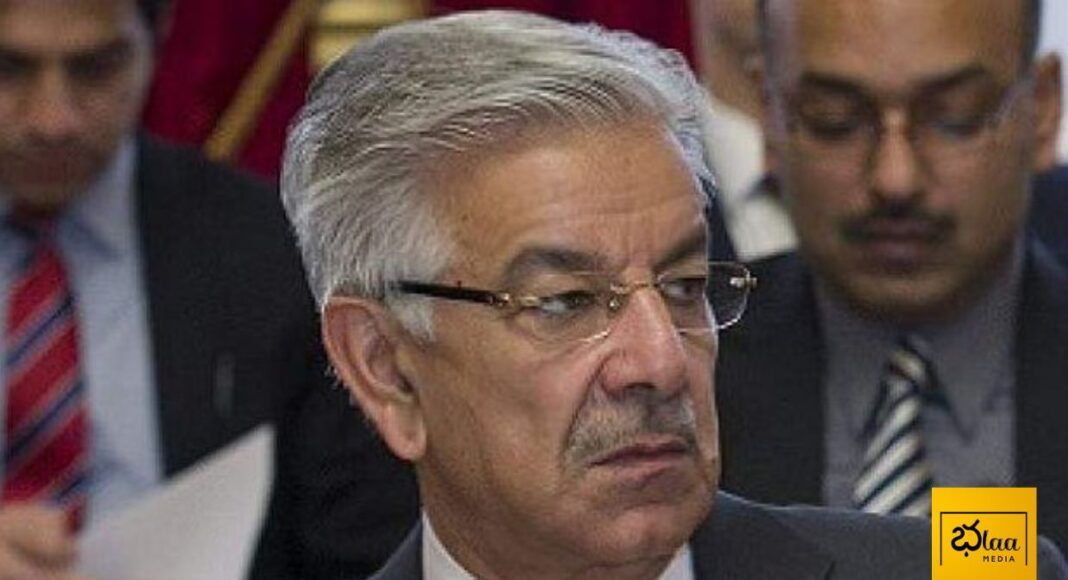
Reports quoting Union Jal Shakti Minister C. R. Patil suggesting that India could completely stop water supplies to Pakistan by June 2028 have reportedly heightened concerns in Pakistan. In response, Pakistan Defence Minister Khawaja Asif warned that Islamabad would consider any threat to its water security as a matter of national security. He said Pakistan would not rule out any option if it perceived its water interests to be under threat.
Similar remarks had earlier been made by Pakistan Army Chief Asim Munir, who warned against the construction of dams on the Indus River and emphasized Pakistan’s nuclear capabilities.
Meanwhile, India reiterated its position on the treaty. Speaking at an international forum, Anupama Singh said that agreements based on friendly relations cannot continue to benefit a country that sponsors terrorism. She criticized Pakistan’s attempts to use international platforms for political purposes and argued that the 1960 Indus Waters Treaty needs to be reviewed in light of changing global realities.
Indian officials emphasized that the country’s position on the treaty remains clear and stated that while India seeks peaceful relations, it is prepared to safeguard its interests if challenged.
