
The crisis that gripped West Asia for nearly 107 days is now approaching a conclusion. The United States and Iran have announced that they are moving forward with a historic peace agreement aimed at ending the conflict. Both countries have stated that the formal signing ceremony will take place on June 19. While the complete details of the agreement have not yet been made public, U.S. President Donald Trump has already begun presenting the deal as a major diplomatic success.
In a series of posts on his social media platform, Truth Social, Trump declared that the Strait of Hormuz would be reopened without restrictions and that the U.S. naval blockade would be lifted. He stated that oil tankers would once again move freely through the strategic waterway and called on the global shipping industry to restart operations immediately.
However, critics argue that the reality is far more complex than the victory narrative being promoted by Washington. Before the conflict, the Strait of Hormuz was already functioning as one of the world’s most important shipping routes. Although the United States managed to inflict significant damage on portions of Iran’s naval capabilities, Iran continued to exert influence over maritime traffic through fast attack boats and regional military leverage.
By demonstrating its ability to disrupt global oil shipments through the Strait of Hormuz, Iran placed considerable pressure on international markets. Critics also point out that the United States failed to completely halt Iran’s support networks and regional allies, including groups such as Hezbollah and the Houthis.
Iran’s economy, which was already under pressure before the war, suffered additional damage due to American and Israeli military operations. Yet despite these setbacks, Tehran did not abandon its strategic position. Some analysts argue that the prolonged conflict forced Washington to divert significant military and economic resources toward West Asia, reducing its focus on other geopolitical priorities.
The war also imposed heavy economic and political costs on the United States. Rising inflation, economic uncertainty, and growing political divisions fueled domestic criticism. Surveys conducted during the conflict indicated widespread public dissatisfaction with the continuation of the war. Higher fuel prices increased financial pressure on American households, while questions emerged regarding the long-term objectives of the military campaign.
Several Gulf nations reportedly became uneasy with the manner in which the conflict unfolded. Although many regional partners preferred de-escalation, they found themselves exposed to economic and security risks resulting from retaliatory attacks and regional instability.
Another major point of debate concerns Israel’s position in the negotiations. The conflict initially involved both the United States and Israel, but the final peace framework is being negotiated primarily between Washington and Tehran. This has triggered concerns within Israel that some of its original strategic objectives—including the complete dismantling of Iran’s nuclear and missile capabilities—may not be fully addressed through the agreement.
Critics argue that Iran still retains ballistic missile capabilities and enriched uranium stockpiles, leading some observers in Israel to believe that long-term security concerns remain unresolved. Likewise, the political leadership in Tehran has remained intact despite earlier expectations among some Western analysts that the conflict could lead to major political changes inside Iran.
Under the current framework, military operations across several fronts, including Lebanon-related theaters, are expected to end. The agreement is also expected to include ceasefire arrangements involving Iran-backed groups and Israel.
The conflict had significant consequences beyond the immediate participants. Countries with no direct involvement in the dispute experienced economic shocks due to disruptions in global energy supplies. The temporary restrictions and uncertainty surrounding the Strait of Hormuz pushed international oil prices sharply higher and increased import costs for energy-dependent nations.
India was among the countries affected by the disruption. Higher crude oil prices increased import expenses and contributed to concerns regarding fuel and cooking gas costs. While the reopening of the Strait of Hormuz may help stabilize global markets, analysts believe it could take several months before oil supplies and shipping operations return fully to pre-conflict levels.
Despite the progress toward peace, uncertainty remains. President Trump has warned that military action could resume if Iran fails to comply with the final nuclear agreement. Reports have also suggested that sanctions relief, the release of frozen Iranian assets, and broader economic incentives could form part of the eventual settlement package.
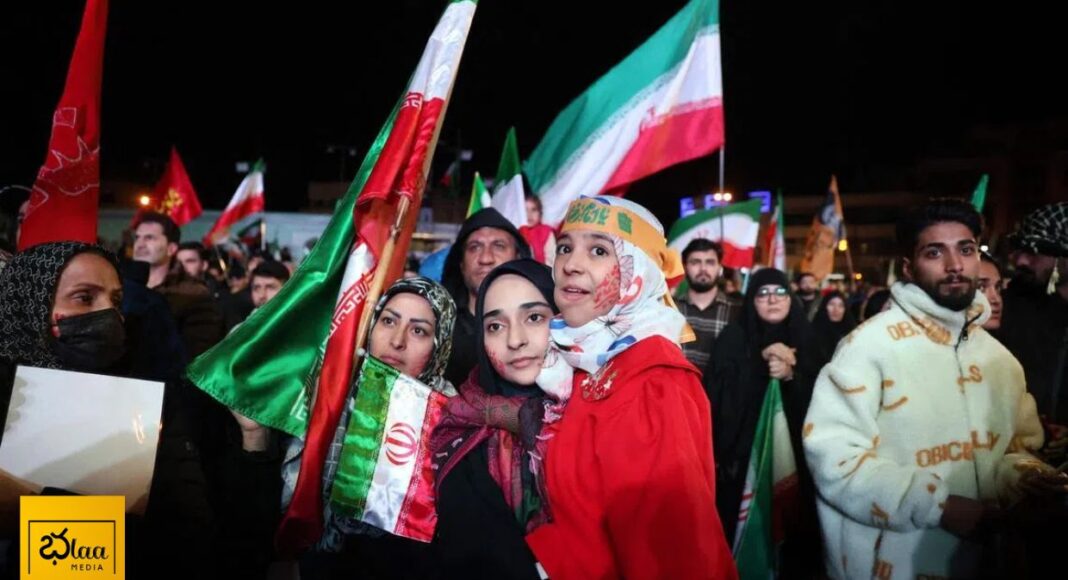
At the same time, the agreement is facing criticism within Iran itself. Hardline groups and some government supporters have staged protests against what they describe as excessive concessions to the United States. Demonstrations in cities such as Mashhad have highlighted internal divisions over the future direction of Iran’s foreign policy.
With so many unresolved questions still remaining, the upcoming high-level meeting between American and Iranian leaders is being watched closely around the world. The outcome could determine whether this agreement becomes a lasting peace settlement—or merely a temporary pause in a much larger geopolitical struggle.
