
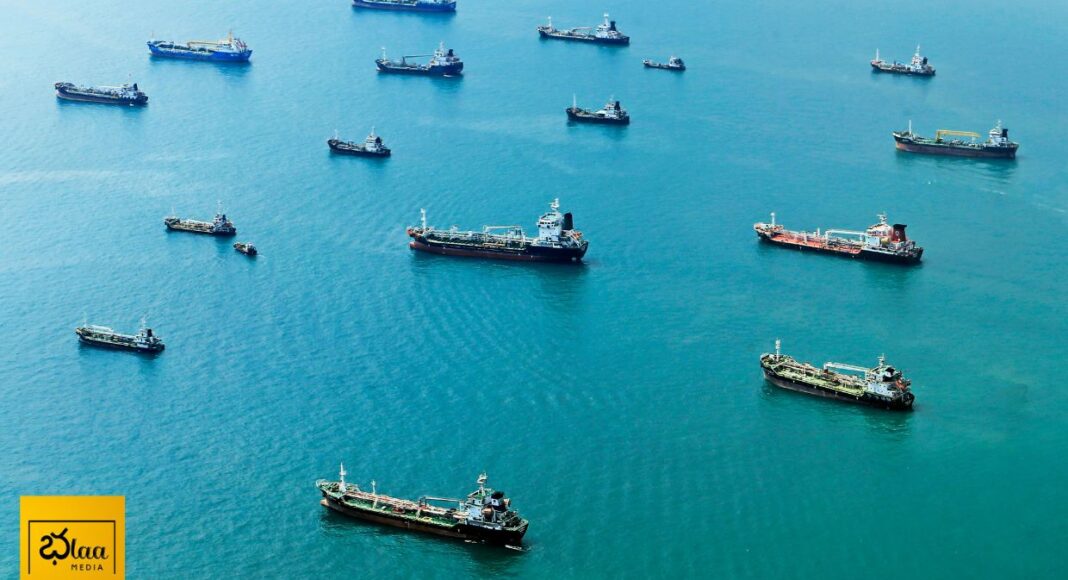
The disruption in global oil exports caused by the Middle East conflict has finally begun to ease. Following the peace agreement between the United States and Iran, the Strait of Hormuz has reopened, prompting oil-producing countries to intensify efforts to resume exports worldwide.
Qatar, which had reduced its oil exports for some time, is now preparing to increase shipments again. As part of this effort, four empty LNG tankers and an additional chartered tanker are being moved to the well-known Ras Laffan energy hub. According to ship-tracking data, four other Qatari tankers are already stationed near Oman, waiting to enter the Persian Gulf through the Strait of Hormuz. They are expected to begin transporting oil cargoes to importing countries soon.
The oil crisis began after U.S. attacks on Iran. In response, Iran blockaded the Strait of Hormuz, and subsequent military confrontations over control of the waterway led to its closure. Following the peace agreement, not only has the Strait reopened, but Iran has also announced that it will not charge any fees on ships passing through it. As a result, oil and natural gas producing countries have resumed production. Tankers that had been stranded at various locations are now moving toward their destinations. This development could lead to a decline in oil prices in the coming days.
However, fuel prices around the world are unlikely to fall immediately after exports resume. Many tankers that were delayed at sea must first reach oil-exporting countries, load crude oil, and then undertake voyages that may take months before reaching importing nations. After arrival, the crude oil must still be unloaded and processed at refineries, which will require additional time. Therefore, while there may not be any immediate change in fuel prices, a noticeable reduction could be seen after about two to three months.
