
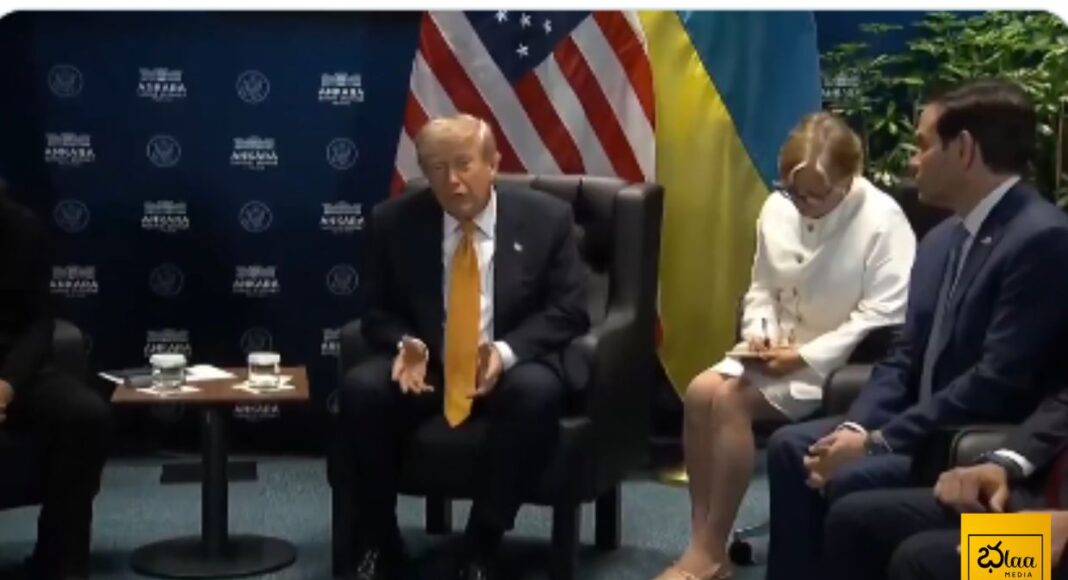
Tensions in the Middle East have intensified once again after U.S. President Donald Trump signaled a tougher approach toward Iran, raising concerns that the fragile period of calm could come to an end.
In recent weeks, Trump had indicated that the United States was seeking to de-escalate the conflict and pursue diplomatic engagement with Iran. However, his latest remarks have suggested that Washington is prepared to take a more aggressive stance if it believes its interests or those of its allies are threatened.
Trump stated that negotiations with Iran would not succeed unless Tehran changed its policies, warning that the United States would respond decisively to any further attacks on American personnel or assets in the region.
Meanwhile, regional tensions have remained high following a series of military incidents involving Iran and the United States. Reports indicate that both sides have increased military preparedness, while concerns continue to grow over the security of strategic shipping routes, including the Strait of Hormuz, a vital corridor for global oil supplies.
Iran has accused the United States of violating understandings aimed at reducing hostilities and has vowed to defend its sovereignty against any military action. Iranian officials have also warned that any further escalation could have serious consequences for regional stability.
The renewed tensions have sparked fears of another cycle of military confrontation in the Middle East, with analysts warning that any further escalation could disrupt global energy markets and increase geopolitical uncertainty. Diplomatic efforts by regional and international powers are expected to continue in an attempt to prevent a wider conflict.
