
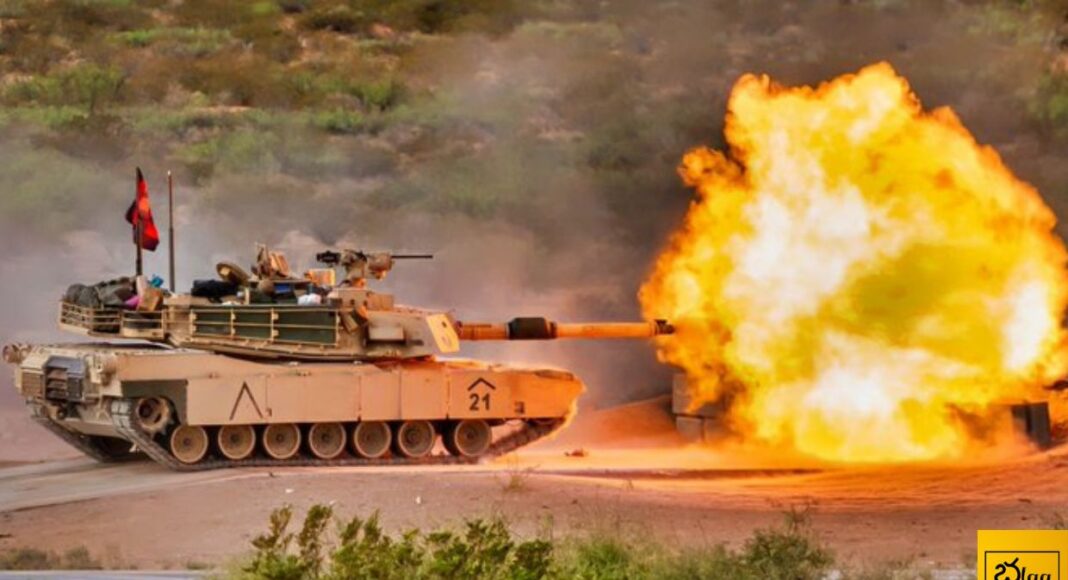
The Russian invasion of Ukraine, which began on February 24, 2022, has become one of the deadliest conflicts of the 21st century. What Russia initially expected to be a short military campaign has turned into a prolonged war with enormous human and economic consequences. According to recent assessments by the Center for Strategic and International Studies, total military casualties—killed and wounded on both sides combined—have reached nearly 2 million, highlighting the devastating toll the conflict has taken.
The CSIS estimates suggest that Russia has suffered significantly higher military losses than anticipated, with hundreds of thousands of soldiers killed and many more wounded. Ukraine has also paid a heavy price, with substantial military casualties while continuing to defend its territory. Independent experts note that exact casualty figures remain difficult to verify, as both Russia and Ukraine disclose only limited information and estimates vary across different research organizations.
The war has also reshaped global geopolitics. Western countries, including members of NATO, have provided extensive military and financial assistance to Ukraine, while Russia has strengthened ties with several partner nations. Beyond the battlefield, the conflict has disrupted global energy markets, food supplies and international trade, contributing to inflation and economic pressures across many countries.
The humanitarian impact has been equally severe. Millions of Ukrainians have been displaced, while the conflict has damaged critical infrastructure and affected global grain exports and energy supplies. Despite several diplomatic efforts, a comprehensive peace agreement remains elusive, and the war continues with no immediate end in sight.
