
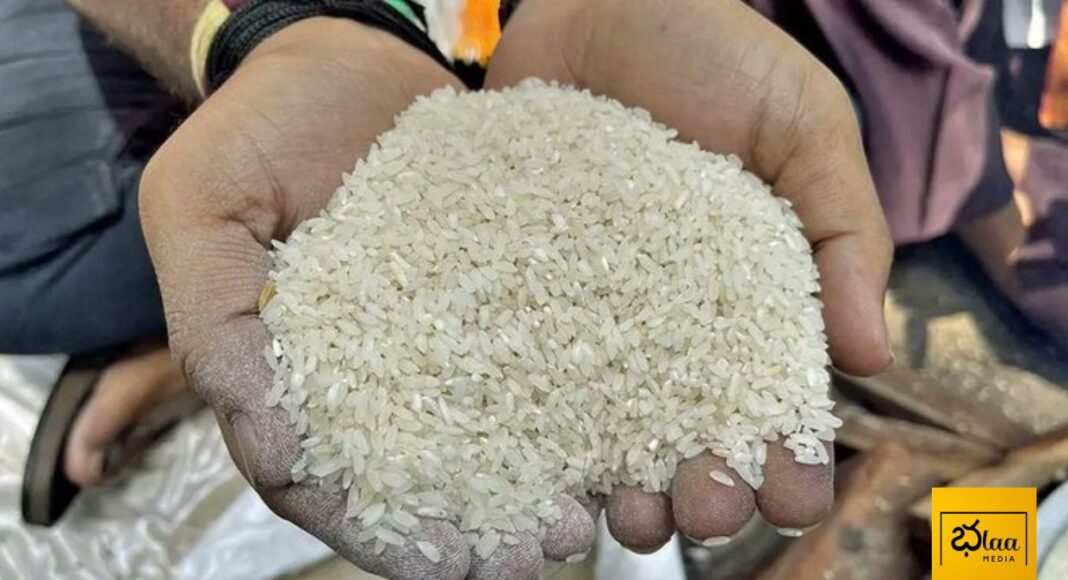
The Central Government has announced a major relief measure for economically weaker families by proposing an increase in the quantity of free rice provided under the Antyodaya Anna Yojana (AAY) and related food security schemes.
Under the existing system, beneficiaries receive 5 kilograms of rice per person per month, with a maximum limit of 35 kilograms per family. The government is now planning to increase the per-person allocation to 7 kilograms, providing additional food support to eligible households.
For example, a family with three members currently receives 15 kilograms of rice every month. Under the proposed revision, the same family would receive 21 kilograms. However, the maximum family limit of 35 kilograms is expected to remain unchanged.
The proposed change is part of a broader review of the National Food Security Act (NFSA), 2013. According to reports, the Centre believes that significant changes have taken place in poverty levels, family structures, and household consumption patterns since the law was introduced more than a decade ago. The revision is aimed at ensuring that food assistance remains aligned with current needs.
Another factor behind the move is the large-scale verification of ration cards carried out by several states in recent years. State governments have identified and cancelled a substantial number of fake or ineligible ration cards to ensure that welfare benefits reach only genuine beneficiaries.
States such as West Bengal and Assam have reportedly removed a significant number of fraudulent ration cards during verification drives. With the issuance of new ration cards underway in several regions, the Centre’s decision is expected to provide greater support to eligible low-income families.
If implemented, the increase in rice allocation could benefit millions of ration card holders across the country by strengthening food security and reducing the burden of household expenses. However, the proposal is yet to be formally incorporated into the amended food security framework.
