
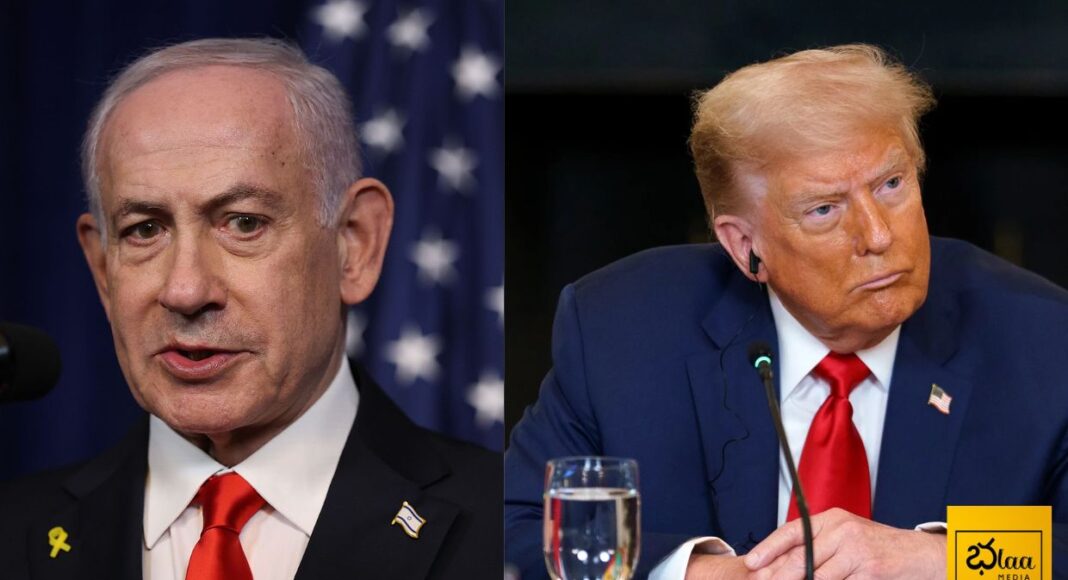
The situation in the Middle East continues to evolve, with fresh tensions emerging despite recent efforts to de-escalate the conflict. Hours after U.S. President Donald Trump announced that a peace agreement had been reached with Iran and that the United States would halt its attacks, Israel launched fresh strikes in Lebanon.
Israel stated that although U.S. military operations against Iran had ended, it would continue targeting positions associated with Hezbollah in Lebanon. The move came despite expectations that Israel, which had supported U.S. operations in the region, would also adhere to the broader ceasefire efforts.
Israeli Prime Minister Benjamin Netanyahu reportedly said that peace agreements with hostile groups could not be permanent and reaffirmed Israel’s commitment to continue military operations against its adversaries.
Responding to the developments, Trump expressed frustration with Israel’s actions. In an interview with a media outlet, he said that he had worked hard to secure an agreement with Iran and warned that continued military operations could undermine those efforts. Trump reportedly urged Netanyahu to show greater restraint and avoid reversing the progress achieved through diplomatic negotiations.
He also stressed that any actions that jeopardize the peace process could have consequences, which was widely interpreted as a warning directed at Israel. Trump emphasized that agreements reached through dialogue should not be undone by renewed hostilities.
The latest developments have raised concerns over the durability of the ceasefire and the prospects for long-term stability in the Middle East.
This version preserves the substance of the original report while attributing statements to the individuals involved and avoiding editorial language. The remarks and events described should be independently verified through official sources.
